Hidden rubbish removal charges Finchley what to know
Posted on 07/10/2026
If you have ever booked a clearance and then spotted extra fees creeping onto the invoice, you are not alone. Hidden rubbish removal charges in Finchley can turn a straightforward job into an expensive headache, especially when access is awkward, waste types are mixed, or the quote was never properly explained. The good news? Most of the avoidable surprises are easy to spot once you know what to look for. This guide explains hidden rubbish removal charges Finchley what to know in plain English, so you can compare quotes properly, ask the right questions, and avoid that sinking feeling when the bill lands.
We will walk through how local rubbish removal pricing usually works, which extras are most commonly missed, what fair quoting looks like, and how to protect yourself whether you are clearing a flat near Finchley Central, a family home, a shop unit, or a garden full of stubborn debris. Let's make it simple. No jargon. No nonsense. Just the stuff that matters.
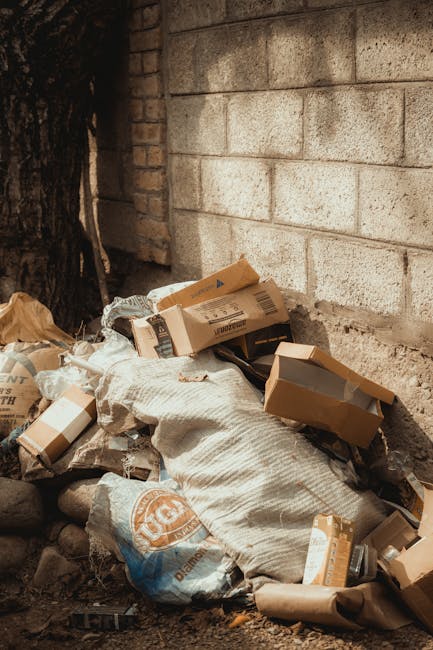
Why hidden rubbish removal charges Finchley what to know Matters
Most people do not object to paying a fair price. The problem is the surprise part. A quote can look reasonable at first glance, then suddenly become more expensive because of labour, loading time, waiting time, stair carry, heavy items, parking complications, or waste that was not described clearly. In Finchley, that matters even more because local streets, flats, and mixed property layouts can make access trickier than a quick phone quote suggests.
Hidden charges are not only about money. They also affect trust. If a company is vague before the job starts, you may find it harder to resolve disputes later. And if you are trying to clear a property on a deadline - maybe before tenants move in, before builders arrive, or after a long-overdue declutter - you do not want pricing confusion slowing everything down. To be fair, nobody enjoys haggling over a bin bag after a long day.
It also helps to remember that "cheap" is not always cheap. A low headline price can be a bait number if the real cost depends on details not mentioned upfront. The safer approach is to understand how a quote is built and what should be included as standard. That gives you a proper basis for comparison, not just a hunch.
Expert summary: The best defence against hidden rubbish removal charges is a clear, itemised quote that explains access, labour, disposal type, loading time, and any extras before anyone arrives.
How Hidden rubbish removal charges Finchley what to know Works
Rubbish removal pricing usually combines a few moving parts. Some companies charge by load volume, some by time and labour, and others use a hybrid model. In practice, the final price often depends on how much waste needs removing, what kind of waste it is, where it is located, and how easy it is to get out of the property.
Common pricing components
- Load size: How much space the waste takes up in the vehicle.
- Labour: The time and effort needed to remove, carry, and load items.
- Waste type: General household waste may be priced differently from builders' waste, mattresses, fridges, or mixed materials.
- Access: Narrow stairways, no lift, basement rooms, rear garden access, and long carries can all add time.
- Parking and permits: In busy parts of Finchley, parking complications can affect the job.
- Special handling: Items that need careful disposal, separation, or extra handling may cost more.
Here is the important bit: many "hidden" charges are not actually hidden at all. They become hidden when they are not explained clearly enough. For example, a company might say the quote covers "collection," but not mention that carrying waste from a third-floor flat without a lift is billed separately. Or the price might assume easy roadside loading, which is fine until the van cannot park nearby. Bit awkward, really.
If you are comparing providers, the key is to ask what the quote includes in writing. A decent company should be able to explain whether the price is fixed, estimated, or subject to a final site check. That is normal. What is not ideal is vagueness. Vague quotes usually become expensive quotes.
What a transparent quote should clarify
- What waste is included
- How much labour is included
- Whether loading from inside the property is included
- Whether stair carries or long carries cost extra
- Whether parking issues may change the price
- Whether bulky or specialist items are excluded
- What happens if the load is larger than expected
Key Benefits and Practical Advantages
Understanding hidden rubbish removal charges gives you more than price control. It makes the whole job smoother and less stressful. You can plan better, book confidently, and avoid the classic last-minute scramble where everyone is standing around a pile of old furniture wondering who misread what.
Why this pays off in real life
- Better budgeting: You can compare quotes on a like-for-like basis.
- Less stress: No unpleasant invoice surprises after the waste has gone.
- Faster decisions: You can book sooner when you know the real cost.
- Fewer disputes: Clear expectations mean fewer arguments later.
- Better timing: You can coordinate with decorators, tenants, movers, or builders more confidently.
There is also a practical upside that gets overlooked: good quoting often hints at good service. If a provider asks sensible questions about access, waste type, and location before giving a price, that usually means they understand the job. A one-line price with no questions asked can feel convenient, but it often lacks precision.
For homes and businesses in Finchley, where property layouts vary a lot, precision matters. A basement clear-out in a period terrace is not the same as a curbside pickup outside a newer block. Not even close.
Who This Is For and When It Makes Sense
This topic matters to pretty much anyone arranging clearance, but some people need it more urgently than others. If you are booking rubbish removal for the first time, you are especially exposed to surprise charges because you may not know what the industry treats as "normal."
People who should pay close attention
- Homeowners clearing lofts, garages, sheds, or full rooms
- Renters trying to leave a property tidy without overspending
- Landlords and letting agents dealing with tenant left-behinds
- Builders and trades managing renovation waste
- Business owners with office, stockroom, or retail waste
- Busy families doing a spring clear-out after a move or refurbishment
It also makes sense if your waste is awkward. Think broken wardrobes, old sofas, bagged mixed junk, garden clippings, rubble, or things stored at the back of a narrow terrace garden. The trickier the job, the more room there is for misunderstanding.
And if you are in a hurry, the pressure rises. Same-day jobs can be brilliantly convenient, but they also leave less time to clarify pricing. That is where charges get missed. One rushed phone call and suddenly you are paying for "extra labour" you never knew existed. We have all been there, or something close to it.
Step-by-Step Guidance
If you want to avoid hidden rubbish removal charges, use a simple process before you book. It does not need to be complicated. In fact, the less dramatic it is, the better.
1. Make a clear waste list
Write down what needs removing. Separate general rubbish, furniture, electricals, green waste, builder's debris, and anything unusual. Photos help too. A couple of decent pictures usually tell a provider more than a long voice note.
2. Check access honestly
Be specific. Is there parking outside? Are there stairs? Is the waste in a rear garden? Will the team need to carry items through the house? This is where many extra charges begin.
3. Ask for the quote structure
Ask whether the quote is fixed, estimated, or subject to inspection on arrival. Ask what it includes and what it excludes. If a provider sounds irritated by basic questions, that is useful information in itself.
4. Confirm likely extras
Check for charges tied to heavy items, awkward access, waiting time, or mixed waste. If you are not sure whether something counts as special waste, ask directly. Do not assume.
5. Get key points in writing
Even a simple written confirmation by email or message helps. You are not looking for a legal novel. Just a clear record of what was agreed. That alone can prevent most disagreements.
6. Prepare before the team arrives
Move what you can, clear access paths, and separate items if requested. The cleaner the setup, the less chance there is for extra labour time to creep in.
7. Check the final invoice before paying
Look at whether the final bill matches the quote. If something changed on site, ask why. A legitimate adjustment should be explainable in plain language.
Simple really. But simple does not always happen unless someone takes the time to ask the awkward questions up front.
Expert Tips for Better Results
Here are the little things that can save you money and frustration. These are the sort of practical details people only really learn after doing a few clear-outs, or after one unexpectedly pricey one.
Use photos instead of guessing
Photos reduce misunderstanding. A pile of rubbish may look "small" in a text message, but once you see the corner of the room, the stairwell, and the bulky wardrobe leaning against the wall, the job becomes much clearer.
Ask about minimum charges
Some companies have a minimum job size, even if you only have a few items. That is normal. But you should know it before booking.
Separate valuable assumptions from reality
It is tempting to assume everything will fit in one load or that all waste is treated the same. Often, it is not. Mixed loads, especially with timber, soil, metal, or appliances, can be handled differently.
Check the route from room to vehicle
A long walk through the property or around the back of a building can add real time. It is not the most glamorous part of the job, but it matters. A lot.
Choose the right timing
If access is easier earlier in the day or when parking is less chaotic, you may avoid delays. Finchley traffic and parking can be a bit of a mood-killer at peak times, so timing genuinely helps.
Be wary of vague "starting from" prices
A low starting figure can be useful as a guide, but it is not a final price. If the quote stays vague after you share photos and details, treat it carefully.
Use a straightforward tone when asking questions
You do not need to sound suspicious. Just clear. "Does this include labour from inside the property?" is a perfectly normal question. Any good provider should answer without fuss.

Common Mistakes to Avoid
Most costly mistakes are boring ones. Not dramatic, just easy to make when you are in a hurry.
- Accepting a quote without checking what it includes
- Forgetting to mention stairs, basements, or long carries
- Assuming all waste types are charged the same
- Not asking whether parking affects the final price
- Ignoring minimum charges for small loads
- Leaving items scattered across multiple rooms without telling the provider
- Not confirming the quote in writing
- Choosing the cheapest option without checking the detail
A lot of people also make the understandable mistake of focusing only on the price and not on the scope of the job. But the scope is where the real value sits. A slightly higher quote that includes clear labour and access terms may be better than a cheaper one that keeps adding on fees.
One more thing: do not be afraid to sound picky. You are not being difficult. You are trying to avoid a surprise bill. That is sensible, not fussy.
Tools, Resources and Recommendations
You do not need fancy software to manage a rubbish removal booking. A few simple tools and habits will do most of the work.
Useful tools
- Phone camera: Take wide shots and close-ups of the waste and access route.
- Notes app: Keep a list of item types, quantities, and any tricky points.
- Measuring tape: Helpful for bulky items like wardrobes, desks, or mattresses.
- Email or message thread: Keeps the quote and changes in one place.
Useful internal pages if you want to compare services
If you are still working out what type of clearance you need, it can help to look at broader service pages first, then narrow down from there. For example, the services overview gives a useful starting point, while pricing and quotes is a sensible next stop if you want to understand how charges are typically structured. If the job is more specific, rubbish collection in Finchley and waste removal in Finchley can help you compare the practical options.
For bigger or more specialised clearances, you may also want to review house clearance in Finchley, office clearance in Finchley, or builders' waste disposal in Finchley, depending on the job type. And if you are dealing with outside spaces after a garden tidy-up, garden waste removal in Finchley may be a closer match.
Law, Compliance, Standards, or Best Practice
Rubbish removal is not just about convenience. There are waste-handling duties and general best-practice expectations that matter. You do not need to become an expert overnight, but it helps to know the basics.
In the UK, waste should be handled responsibly and taken to appropriate disposal or recycling routes. A professional provider should be able to explain how waste is managed, and they should not encourage you to dump mixed waste irresponsibly or leave materials in a way that creates a hazard. If something sounds off, trust your instincts.
Best practice also means being honest about waste type. Do not mislabel items to try and force a lower quote. That can backfire badly. Some waste streams need different treatment, and a proper company will price accordingly. That is normal, not a trick.
Safety matters too. Heavy lifting, sharp edges, broken glass, damp materials, and tight staircases all introduce risk. A provider should plan for safe handling, and you should avoid placing staff at unnecessary risk by understating the job. If you need reassurance, take a look at insurance and safety and the company's about us information to understand how they approach the work.
There is also a broader responsibility to recycle where practical. Not every item can be reused or recycled, of course, but a responsible business should separate materials sensibly rather than treating everything as landfill-bound by default. If sustainability matters to you, recycling and sustainability is worth a look.
Options, Methods, and Comparison Table
Different clearance methods suit different jobs. The right one depends on volume, urgency, access, and how much you want done for you. Here is a practical comparison.
| Option | Best for | Pros | Watch-outs |
|---|---|---|---|
| Man and van rubbish removal | Mixed household waste, bulky items, quick jobs | Fast, flexible, often includes loading | Price can change if access or waste type is misdescribed |
| Skip hire | Longer projects, renovations, planned clear-outs | Good for ongoing work, can be economical for large volumes | Needs space, permits may be relevant, you load it yourself |
| Specialist clearance service | House clearances, office clearances, larger structured jobs | More tailored, usually better for complex jobs | May cost more if the service is highly managed |
| DIY trips to the tip | Small loads and people with time and transport | Potentially cheaper on paper | Time-consuming, physically demanding, easy to underestimate fuel and effort |
For many Finchley households, a managed rubbish removal service is the easiest route because the labour is included and the job gets done in one go. But if the waste is part of a longer renovation, a different method might make more sense. The point is not to pick the "best" option in general. It is to choose the one that fits the actual job.
Case Study or Real-World Example
Imagine a typical Finchley flat clear-out. The customer wants to remove a sofa, two wardrobes, several black bags, a broken coffee table, and a pile of old boxes. On the phone, it sounds like a simple half-load job. But when the team arrives, they find there is no lift, a shared stairwell, and limited parking outside. The sofa has to be carried down two flights, turned through a tight landing, and loaded from a street with passing traffic.
Nothing dramatic. Just enough friction to affect time.
If those details were not discussed beforehand, the final price may rise. Not because anyone is trying to be clever, but because the job is different from what was described. In a better version of the same scenario, the customer sends a few photos, mentions the stairs, and confirms the parking situation. The quote comes back more accurately, and there are no surprises on the day.
That is the real lesson here. Most hidden charges are preventable when the provider gets a proper picture of the job. Truth be told, a five-minute photo exchange can save a lot of back-and-forth later.
Practical Checklist
Use this checklist before you book. It is simple, but it works.
- List every item you want removed
- Take clear photos of the waste and access route
- Confirm stairs, lifts, and carrying distance
- Ask what the quote includes and excludes
- Check for minimum charges
- Ask whether parking affects pricing
- Confirm whether heavy or specialist items cost extra
- Get the quote in writing
- Prepare the area so loading is easy
- Review the final bill before paying
If you can tick most of those off, you are already ahead of the curve. Not glamorous, granted. But effective.
Conclusion
Hidden rubbish removal charges in Finchley are usually avoidable once you know how the pricing really works. The main thing is to move away from vague quotes and toward clear, specific information: what is being removed, how easy it is to access, what labour is included, and whether any extras may apply. Once that is nailed down, you can compare providers properly and book with much more confidence.
The real win here is peace of mind. No awkward invoice shocks, no last-minute arguments, no "oh, that wasn't included" moment when the van is already outside. Just a clear plan, a fair price, and a job that gets done properly.
If you are comparing options now, take a moment to review the service details, ask the awkward questions early, and choose the quote that explains itself well. That is usually the one worth trusting.
Get a free quote today and see how much you can save.
Sometimes the best clearance job is the one that disappears quietly, without fuss, leaving the place lighter than before.


Copyright © . House Clearance Finchley. All Rights Reserved.