Rubbish clearance access problems in Finchley narrow streets
Posted on 24/08/2026
Rubbish Clearance Access Problems in Finchley Narrow Streets: A Practical Guide for Homeowners, Landlords, and Local Businesses
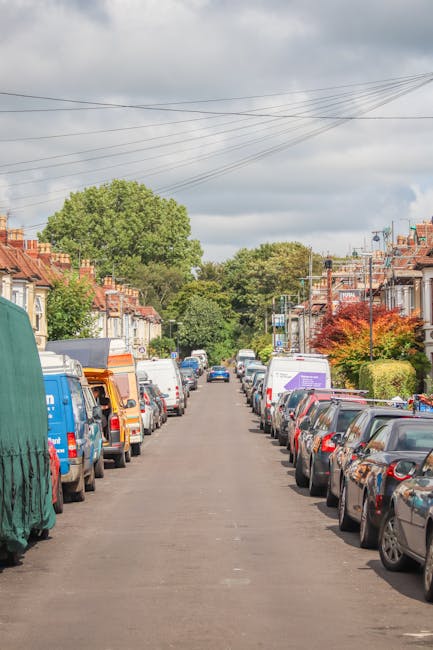
Anyone who has tried to organise rubbish clearance in a tight North London side street knows the feeling: a van arrives, the crew looks at the road, checks the parked cars, and suddenly the job that seemed straightforward is not so straightforward after all. Rubbish clearance access problems in Finchley narrow streets are common, and they can affect timing, cost, safety, and even whether the waste can be collected at all on the first visit.
Finchley has plenty of streets where width is limited, turning space is awkward, and parking can make access a bit of a puzzle. That does not mean clearance has to be stressful. It just means the job needs better planning, the right vehicle size, and a realistic sense of what can be moved safely. In this guide, we'll walk through the practical side of access issues, what usually causes delays, how good teams work around them, and the steps you can take to make a collection go smoothly. To be fair, a little preparation goes a long way.
Why Rubbish Clearance Access Problems in Finchley Narrow Streets Matters
Access is not just a logistics detail. It is often the difference between a quick, tidy collection and a frustrating half-day of waiting, repositioning, and extra lifting. In Finchley's narrower residential roads, access can affect how close a vehicle can legally and safely park, whether bulky waste can be moved without damaging walls or railings, and how much manual loading is needed.
When access is poor, the practical knock-on effects can be surprisingly broad. Collections may take longer than expected. Items may need to be carried further. A crew may need more labour than planned. In some cases, a standard vehicle simply cannot get close enough, especially where cars are parked tightly on both sides or where a street bends awkwardly. Then you get the classic London situation: a job that looked easy on paper becomes a bit of a chess game on the pavement.
This matters for households clearing a flat after a move, landlords dealing with left-behind rubbish, and small businesses trying to keep entrances clear. It also matters because access problems can increase the risk of accidents. A heavy sofa carried too far on a narrow path is one thing; a damaged gate, scraped brickwork, or obstructed pavement is another. Better planning protects both the property and the people doing the lifting.
Key takeaway: in narrow Finchley streets, successful rubbish clearance is usually less about brute force and more about route planning, parking logic, and sensible vehicle choice.
How Rubbish Clearance Access Problems in Finchley Narrow Streets Works
In practice, a clearance team usually starts by assessing three things: how they will reach the property, where they can stop, and how far items must be carried to the vehicle. That assessment can be done from photos, a phone call, or an on-site visit, depending on the job size. The aim is simple: reduce guesswork before anyone starts moving furniture or bagged waste.
Narrow streets change the equation. A vehicle may not fit safely if cars are parked opposite each other. A van might fit, but only with careful positioning that leaves little room for loading. Some streets allow brief stopping but not long dwell time. Others have height restrictions, awkward corners, or tight access via side alleys. And let's face it, the word "just" causes more trouble than it solves in this sort of work.
A good clearance plan often includes:
- checking the width and turning space near the property
- identifying whether the items can be brought out through a front door, rear passage, or shared entrance
- working out if items need to be dismantled first
- deciding whether a smaller vehicle, a two-person lift, or multiple trips will be needed
- agreeing in advance on any access constraints such as timed entry, intercoms, or lockboxes
For some jobs, access is easiest early in the morning before parking gets busy. For others, the best approach is to use a smaller vehicle first and transfer waste to a larger load elsewhere. This is common for properties around busy local roads and mixed residential-commercial areas, and it often keeps the process calmer. If you want a broader view of how local services are structured, the services overview page is a useful place to understand the range of clearance options available.
There is also a planning angle for different property types. Flats above shops, terraced homes with no rear access, and offices in older buildings all present slightly different obstacles. In some cases, specialist jobs like office clearance in Finchley or even house clearance can need a more tailored access plan than a standard curbside collection.
Key Benefits and Practical Advantages
Getting access planning right is not just about avoiding problems. It creates real advantages that people notice immediately, especially in narrow-street parts of Finchley where one badly parked van can create a queue and one poorly timed lift can upset neighbours.
- Faster collections: fewer delays mean the job can often be completed in a single visit.
- Lower risk of damage: careful access planning reduces the chance of scrapes, knocks, and broken fixtures.
- Safer lifting: shorter carry distances help protect crews and residents from strain or trips.
- Cleaner streets: less time blocking the road means less disruption to neighbours and passing traffic.
- Better pricing accuracy: when the access reality is clear, quotes are usually more realistic.
There is a commercial benefit too. If a landlord is clearing a rental property or a business is removing waste from a back entrance, access clarity helps the work fit around the day instead of taking over the day. That matters if you are trying to hand over keys, prepare for viewings, or keep trading without a lot of noise and mess in the foreground.
For residents in streets where parking pressure is constant, a properly planned clearance can also reduce friction with neighbours. Nobody likes a van blocking the road for longer than needed, and nobody wants a sofa balanced halfway across the pavement at 8:30 in the morning. Small detail, big difference.
Who This Is For and When It Makes Sense
This kind of planning is useful for a wide group of people, not just those with large amounts of rubbish. In fact, some of the trickiest access jobs involve surprisingly modest loads because the route is difficult rather than the waste itself.
- Homeowners: especially those with side returns, basements, or narrow front entrances.
- Renters and tenants: when a move-out leaves mixed rubbish, bags, or bulky items behind.
- Landlords and letting agents: after tenant departures, small refurbishments, or end-of-tenancy clearances.
- Local businesses: particularly shops, offices, salons, and studios on side streets.
- Builders and trades: when builders' waste needs to leave a property without causing a bottleneck.
- Property sellers: when a clean and uncluttered property is needed before marketing or completion.
This also makes sense when the waste is not especially heavy but is awkward to move: old wardrobes, broken shelving, renovation offcuts, garden bags, or mixed household clear-out items. If you are handling renovation debris, a dedicated builders waste disposal service may be more appropriate than a general collection, because the access and load type both matter.
And if the question is simply whether the job is worth outsourcing at all, a quick rule of thumb helps: if the item is large, the route is tight, and the timing matters, professional clearance usually saves more hassle than it costs. Usually.
Step-by-Step Guidance
Here is a practical way to approach rubbish clearance in a narrow Finchley street without making a meal of it.
- Identify the access route. Check front door access, rear lanes, side passages, shared hallways, and any steps or gates.
- Measure the awkward bits. Not every job needs exact engineering measurements, but door widths, stair turns, and gate openings are worth checking.
- Look at parking and stopping space. Note if the vehicle can stop close by, or whether waste will need carrying from a distance.
- Sort what is going. Separate reusable, recyclable, and general waste where possible. A cluttered pile makes loading slower and less predictable.
- Flag heavy or fragile items early. Glass, mirrors, old appliances, and damp furniture can change the handling plan.
- Choose the right collection time. Early morning, school-run gaps, or quieter mid-week periods can make a real difference.
- Confirm who will be present. Someone needs to unlock gates, answer questions, and clear the route on arrival.
- Prepare for contingencies. If the van cannot park where expected, have a fallback route or secondary lifting point in mind.
One useful habit is to take two or three photos before booking. A straight-on shot of the front access, one of the road, and one of the waste pile often tells a clearer story than a long explanation. In our experience, that tiny bit of prep prevents a lot of back-and-forth later.
If you are trying to arrange prompt removal because the property is due to be shown, cleared, or handed over, it can also help to compare timing options. Some customers find a faster booking route helpful, especially when they are trying to avoid storage fees or missed deadlines. The article on same-day rubbish removal in Finchley is worth a look if speed is a concern.
Expert Tips for Better Results
A few small adjustments can make a difficult access job much easier. These are the details that tend to be overlooked when people focus only on the rubbish itself.
- Clear the route before the crew arrives. Move bicycles, bins, plant pots, and anything else that forces people to zig-zag.
- Protect flooring and thresholds. If items are heavy or awkward, a simple runner or covering can reduce scuffs.
- Break down furniture where safe. A dismantled wardrobe or bed frame is often easier to move through narrow halls.
- Avoid peak parking pressure. If everyone is home and parked up, access gets tighter very quickly.
- Tell the team about low ceilings, steep steps, or tight corners. The annoying part is never the obvious part. It is usually the one left unmentioned.
- Keep neighbours in the loop if the job will affect shared access. A polite heads-up can prevent awkward conversations later.
Another practical tip: if a street is very tight, think in terms of staged removal rather than one giant lift. Smaller movements are slower per item, yes, but they can be safer and more efficient overall. That is especially true when a large clearance involves mixed loads rather than one neat pile.
For environmentally minded customers, it is also sensible to ask how sorting and recycling are handled. Finchley residents often care about waste not just disappearing, but being dealt with responsibly. The page on recycling and sustainability explains the broader approach in a simple, practical way.
Common Mistakes to Avoid
Most access problems are predictable once you know what to look for. The trouble is that people only learn the lesson after the van has arrived. A bit late, sadly.
- Underestimating street width: what looks fine in a quick glance may still be too tight for loading.
- Ignoring parked cars: a road that is technically passable may be unusable if both sides are full.
- Forgetting about stair turns: items can fit through the door but fail at the bend halfway up the stairs.
- Not mentioning side gates or locks: if access depends on a key or code, say so early.
- Assuming every item can go in one piece: bulky furniture often needs dismantling.
- Leaving the clearance until the last minute: time pressure makes access issues feel much worse.
- Mixing waste types without warning: builders' rubble, household junk, and garden waste may need different handling.
There is also a quiet mistake people make all the time: they describe the job as "not much stuff, just a bit awkward." That phrase can be true, but it can also hide the exact thing that affects the quote and the planning. Awkward access is not a side note. It is the job.
Tools, Resources and Recommendations
You do not need specialist equipment to prepare well, but a few simple tools help.
- Phone camera: take access photos from the road, doorway, hallway, and any rear entrance.
- Tape measure: useful for doors, gates, narrow hallways, and vehicle access points.
- Labels or marker pens: handy if items need sorting before the crew arrives.
- Strong gloves and sturdy footwear: sensible for anyone helping shift light items out of the way.
- Simple floor protection: old blankets or runners can help if items must be moved over delicate surfaces.
For planning and trust, it is also worth reviewing company information before booking. If you want to know more about who is carrying out the work, about us gives background on the business approach, while insurance and safety helps set expectations around careful working practices.
Price transparency matters too, especially where narrow-street access might affect labour time. A useful next step is to look at pricing and quotes so you understand what information is likely to be needed for a fair estimate. If you are dealing with a wider tidy-up rather than one-off junk removal, the rubbish collection in Finchley page is another sensible reference point.
And if your clearance includes bulky household furniture, wardrobes, white goods, or a full property emptying, you may also want to review waste removal in Finchley as a broader service option.
Law, Compliance, Standards, or Best Practice
Access issues are not just about convenience. There are practical and legal expectations around safety, highway use, and responsible waste handling that matter in day-to-day work. Without getting tangled up in legalese, the main principle is straightforward: waste should be collected safely, without creating unnecessary hazard, obstruction, or mess.
In a narrow street, best practice usually means the crew avoids unsafe parking positions, does not block access longer than necessary, and handles waste in a way that reduces risk to pedestrians, residents, and neighbouring property. If an item cannot be moved safely, the right response is to pause and reassess, not to muscle through it. That sounds obvious, but it is exactly the sort of judgement that separates a tidy job from a stressful one.
There is also the wider waste duty of care principle in the UK, which means waste should be transferred and disposed of responsibly. You do not need to memorise the details to benefit from them; you just need to work with a provider that treats sorting, recycling, and disposal seriously. The company's terms and conditions and privacy policy can also help clarify how bookings, information, and service expectations are handled.
For customers who value broader ethical standards, it may be reassuring to review the pages on modern slavery statement and accessibility statement. They are not glamorous reads, granted, but they do say something useful about how a business thinks.
Options, Methods, or Comparison Table
Not every access problem needs the same solution. Sometimes the best choice is a smaller vehicle. Sometimes it is a two-person carry. Sometimes the smartest move is to split the job. Here is a simple comparison that may help.
| Method | Best for | Pros | Trade-offs |
|---|---|---|---|
| Small vehicle access | Very narrow streets, limited parking, short carry distances | Easier to position, less road blockage | May require more trips or transfer loading |
| Manual carry from property to van | Properties with no direct driveway or rear access | Flexible, works in awkward layouts | Slower and more labour-intensive |
| Dismantling bulky items | Wardrobes, beds, desks, large shelving | Makes narrow doorways manageable | Needs time and care |
| Staged collection | Larger clearances, mixed waste, occupied buildings | Reduces congestion and confusion | Can take longer overall |
| Pre-sorted waste removal | Jobs with recyclables, general waste, and bulky items | Improves efficiency and recycling outcomes | Needs more preparation upfront |
There is no single perfect method. The right choice depends on the street, the building, the waste type, and the time available. If the property is a flat in a busy cluster of buildings, local examples such as rubbish removal for Ballards Lane flats can be a useful reference for how access-driven planning often works in practice.
Case Study or Real-World Example
Here is a realistic example based on the kind of job that comes up often in Finchley. A terraced house on a narrow residential street needs clearing after a move. The front road has cars parked on both sides, the hallway is tight, and a large wardrobe needs to come out from an upstairs room. There is no rear service lane and the staircase turns sharply halfway up.
On first look, the job seems simple enough. But the wardrobe will not safely pass the stair turn unless it is dismantled. The van cannot park directly outside for long, so the crew needs to carry items from a short distance down the road. The solution is to remove smaller items first, dismantle the wardrobe on site, and use a smaller vehicle positioned where the road is briefly widest. Nothing dramatic. Just tidy, patient work.
What made this job succeed was not speed, strangely enough. It was preparation. The resident sent a couple of photos in advance, flagged the staircase turn, and left the route clear by the front door. The whole thing still took effort, but it avoided the sort of chaos that happens when three people are standing around saying, "It should fit, surely?" It often doesn't. Or not neatly, anyway.
A similar approach can help businesses too. A small office in West Finchley with back access only may need extra loading time and a vehicle plan that keeps disruption down. That is why local commercial planning, like the guidance in commercial rubbish collection for businesses in N12, often focuses so heavily on access and timing.
Practical Checklist
Use this before booking or on the day of collection.
- Take clear photos of the waste and access points.
- Measure the narrowest door, gate, or stair turn if items are bulky.
- Check whether parking is available nearby.
- Confirm if there are steps, low ceilings, or shared entrances.
- Separate items that may need dismantling.
- Move bins, bikes, plant pots, and loose objects out of the route.
- Tell the provider about key codes, intercoms, or locked gates.
- Identify fragile surfaces that need protection.
- Ask how the team handles recycling and reuse where suitable.
- Make sure someone is available to answer questions on arrival.
If you can tick most of those off, you are already ahead of the game. Not perfectly ahead, but enough to make the collection feel manageable rather than chaotic.
Get a free quote today and see how much you can save.
Conclusion
Rubbish clearance in Finchley's narrow streets is never just about lifting waste into a van. It is about access, planning, safety, and making sensible choices before the first bag is moved. When those pieces line up, the whole job feels lighter, faster, and far less stressful. When they do not, even a small clearance can turn into a long afternoon.
The good news is that most access problems are solvable. A few photos, honest measurements, realistic timing, and the right approach to parking and loading can make a big difference. If you are facing a tight street, an awkward staircase, or a property with no easy rear access, do not assume the job is impossible. It usually is not. It just needs thought.
And once it is done, there is a lovely feeling to it - that quiet little moment when the pavement is clear, the hallway is empty, and the place finally breathes again.


Copyright © . House Clearance Finchley. All Rights Reserved.