West Finchley commercial rubbish collection for businesses N12
Posted on 13/07/2026
West Finchley Commercial Rubbish Collection for Businesses N12
If you run a business in West Finchley, you already know how quickly waste can pile up. One busy week, a stock refresh, a cleared storeroom, a few broken fittings, and suddenly the back room feels more like a dumping ground than a workplace. That is where West Finchley commercial rubbish collection for businesses N12 becomes more than a convenience. It keeps premises tidy, helps daily operations stay smooth, and makes it easier to manage waste without the faff.
For shops, offices, cafes, landlords, trades, and mixed-use premises, the real challenge is rarely "having rubbish". It is having the right rubbish removed, at the right time, without disrupting customers or staff. This guide explains how commercial rubbish collection works in practice, what it is best for, which mistakes to avoid, and how local businesses can make better decisions about waste removal in N12.
There is a practical side to all this, of course. But there is also a reputational one. A neat frontage, a clear service yard, and a sensible waste routine say a lot about how a business is run. Let's face it, nobody likes stepping past overflowing bags before they have even had their morning coffee.
Why West Finchley Commercial Rubbish Collection for Businesses N12 Matters
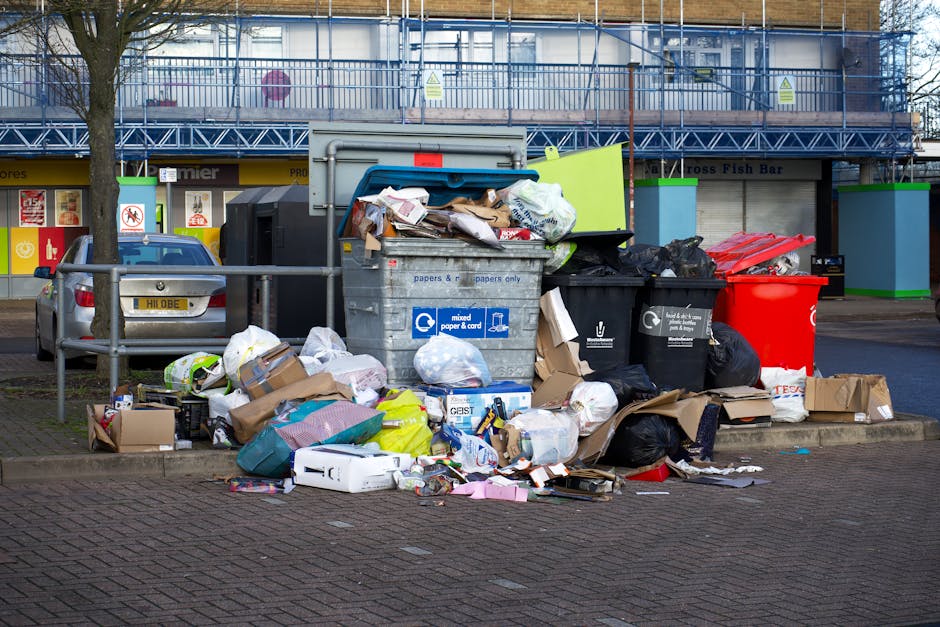
Commercial waste is not just a nuisance to be hidden away at the end of the day. In a busy area like West Finchley, it can affect access, cleanliness, customer perception, staff safety, and even how efficiently a site runs. When waste is left unmanaged, it tends to spread. One overloaded bin becomes two. One skipped collection becomes a smell, then a pest concern, then a complaint. It rarely stays minor for long.
Businesses in N12 often work from spaces that are not designed for generous storage. A compact cafe kitchen, a high-street shop, a shared office, or a small workshop can run out of space fast. Proper rubbish collection gives you breathing room. It also supports a more predictable routine, which is quietly one of the best things a business can buy.
There is also a local angle. West Finchley businesses sit within a lived-in part of north London where footfall, parking, deliveries, and access all matter. Waste left in the wrong place can block service routes or create an untidy look that is hard to ignore. If your premises rely on first impressions, this matters a lot more than people sometimes admit.
For businesses with refurbishment or clear-out needs, waste handling often overlaps with broader services such as office clearance support in Finchley or general waste removal in Finchley. That kind of joined-up thinking helps keep downtime low and avoids the classic "we'll sort it later" trap. Which, to be fair, usually means "we'll trip over it later".
How West Finchley Commercial Rubbish Collection for Businesses N12 Works
Commercial rubbish collection is usually more flexible than people expect. It is often arranged around the type of waste, how much you have, how often it appears, and how easily it can be accessed. The process is straightforward, but the best results usually come from a bit of planning rather than last-minute panic.
1. Identify the waste stream
Start by separating what you need removed. Is it general rubbish, packaging, broken office furniture, builders' debris, green waste, or a one-off clearance load? Different types of waste can need different handling. Mixed waste is common, but it helps to know what you have before collection day.
2. Estimate volume and frequency
Some businesses only need a one-off uplift after a refurb or stockroom clear-out. Others need regular rubbish collection because waste is produced every week. A realistic estimate saves time and helps avoid under-ordering or over-paying. If you are unsure, walk the premises and look at where waste actually accumulates. Back room, bin store, loading area, under desks, kitchen corners - the usual suspects.
3. Check access and timing
Access matters more than most people think. Narrow lanes, shared entrances, busy trading hours, school-run traffic, and limited parking all affect how collection should be planned. A good operator will usually want to know whether waste can be collected from inside, roadside, or a rear service point.
4. Book the collection
Once the details are clear, the collection can be scheduled. For many businesses, the best slot is outside peak hours, early morning, or after closing. That reduces disruption and keeps the site calmer. If your premises are customer-facing, this can make a real difference.
5. Waste is removed and sorted
On collection day, waste is taken away for sorting, recycling, recovery, or disposal depending on its type and condition. Good commercial rubbish collection should not feel random or careless. The aim is to remove the burden cleanly and consistently, not just "get rid of it somehow".
If your rubbish sits alongside furniture, archived files, shelving, or trade items, you may also benefit from a broader service such as the wider Finchley services overview. That can make it easier to match the service to the mess, rather than forcing the mess to fit the service. Oddly enough, that works better.
Key Benefits and Practical Advantages
The obvious benefit is space. The less obvious benefits are often the ones that make the biggest difference over time.
- Cleaner premises: waste cleared regularly prevents clutter from creeping into customer-facing areas.
- Better staff morale: nobody enjoys working beside overflowing bags, broken packaging, or a cluttered storage room.
- Safer walkways: fewer loose items means less chance of slips, trips, or blocked escape routes.
- More efficient operations: staff spend less time managing rubbish and more time doing actual work.
- More flexible scheduling: one-off and repeat collections can usually be aligned with business hours.
- Improved presentation: neat waste handling reflects well on your business, especially in service-led sectors.
There is another advantage people sometimes miss: consistency. Businesses do better with systems than with improvisation. A regular rubbish routine prevents waste from becoming an emergency. That sounds simple, and it is, but simple things done well are often what keep a business running smoothly.
For companies with a strong sustainability focus, it is also easier to align collections with recycling habits and better disposal practices. If that matters to your brand or your tenants, you may find it useful to read the site's recycling and sustainability information as part of your decision-making.
Who This Is For and When It Makes Sense
West Finchley commercial rubbish collection for businesses N12 is relevant to a surprisingly wide range of organisations. If your premises generate waste that is too bulky, too frequent, or too awkward for normal bins alone, it probably makes sense.
- Offices: for old furniture, broken chairs, packaging, paperwork clearance, and IT-related waste.
- Retail units: for display material, cardboard, damaged stock, and back-of-house clutter.
- Cafes and food businesses: for packaging, end-of-day rubbish, and periodic clearances.
- Landlords and property managers: for end-of-tenancy rubbish, communal area waste, or fly-tipped items.
- Trades and contractors: for light builders' waste, strip-out debris, and site tidy-ups.
- Clinics, salons, studios, and professional rooms: for old fittings, packaging, and general operational rubbish.
It also makes sense after a small crisis. A fridge gives up. A tenant leaves behind bags and old furniture. A stock delivery arrives in an avalanche of cardboard. Or the office decides, suddenly and without warning, that the filing cabinet from 2008 must go. Happens all the time.
For business owners planning a wider reset, you may also find waste removal in Finchley helpful where the waste is mixed or part of a larger clear-out. And for premises with a lot of office furniture or archived material, office clearance in Finchley can be the more efficient route.
Step-by-Step Guidance
If you want the process to be smooth, a bit of preparation goes a long way. Here is a practical way to handle it.
- Walk the site and list the waste. Write down what needs collecting and roughly how much there is. Be honest. Guessing low is the classic mistake.
- Separate reusable, recyclable, and general waste. Even a basic sort can save time and reduce chaos on collection day.
- Check where waste is stored. Is it easy to reach? Is there a lift? Can a collection team access the rear yard without blocking customers?
- Choose the right time. Try to avoid your busiest trading period if possible. Early morning often works well.
- Ask about special items. Furniture, electronics, sharp materials, and heavy items may need separate handling.
- Confirm what is and is not accepted. That small conversation can prevent a messy surprise later.
- Keep the route clear. Hallways, fire exits, shared entrances, and loading points should be free before the team arrives.
- Review after the collection. Ask yourself what could be improved next time: timing, storage, sorting, or frequency.
If you are managing several sites or a busy business unit, it can help to treat rubbish collection like any other operational process. A little routine. A little oversight. Nothing glamorous, admittedly, but it saves a lot of stress.
Expert Tips for Better Results
In our experience, the businesses that get the best value from commercial rubbish collection are the ones that make waste management part of the workflow, not an afterthought.
Keep a simple waste log
You do not need a complicated system. Even a notebook or shared spreadsheet can tell you what gets thrown away most often. After a few weeks, patterns emerge. That tells you whether you need more frequent collections, better storage, or a cleaner purchasing system upstream.
Store waste at the right point in the building
If rubbish has to be carried through customer areas, it tends to become a problem. A rear store, service yard, or dedicated holding point usually works better. The less waste travels, the cleaner the site stays.
Match the service to the job
Not every waste problem needs the same solution. A weekly collection may suit a busy shop. A one-off clearance may be enough after an office refit. Builders' debris might need a more specialised approach, which is where builders' waste disposal in Finchley can be more appropriate.
Ask about sorting and recycling options
Better sorting usually means less waste going into the wrong stream. That does not just help the environment; it can make site management simpler too. Cardboard, bulky waste, and mixed rubbish all behave differently, so it helps to separate what you can.
Build collections around business rhythm
That might mean before opening, after closing, or on a quieter weekday. If you are wondering whether a collection will interrupt customers, the answer is often "it depends" - but planning usually solves most of it.
Common Mistakes to Avoid
Commercial waste problems are often caused by habits rather than dramatic events. The good news is that most of them are avoidable.
- Leaving waste until it becomes urgent. Panic collections are always more stressful than planned ones.
- Mixing everything together. Cardboard, bulky items, and regular rubbish should not all be handled the same way if they can be separated.
- Blocking access routes. Staff and collection teams need clear, safe space to work.
- Assuming every collection is the same. Waste type, volume, and timing all matter.
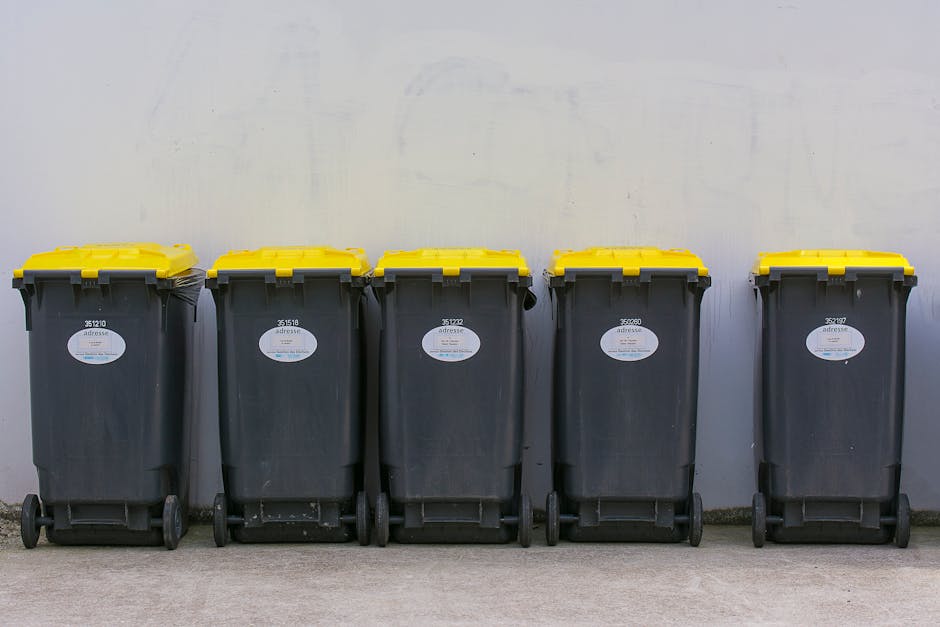
- Overfilling storage points. One extra bag turns into three, and then the whole corner looks like a side quest.
- Not checking what happens to the waste. Responsible disposal is part of the service, not an optional extra.
- Choosing purely on price. The cheapest option can become expensive if it causes delays, extra handling, or repeated callouts.
A common trap is underestimating just how much waste comes from "small" work. A few boxes here, a couple of broken chairs there, and a stripped-out cupboard later, the pile grows faster than expected. Not glamorous. Very normal.
Tools, Resources and Recommendations
You do not need special equipment to manage commercial rubbish collection well, but a few basic tools make life easier.
- Labelled bins or sacks: useful for separating general rubbish from recyclables.
- Simple waste register: track what is removed and when.
- Access keys or codes: if the collection area is behind locked doors or gates.
- Clear floor markers: helpful in busy back rooms or shared service spaces.
- Mobile photos: surprisingly handy when you are estimating volume or explaining a collection need.
For a broader understanding of how rubbish services are structured across the area, it can be useful to read about rubbish collection in Finchley. If your business also produces outdoor or seasonal waste, garden waste removal in Finchley may be relevant too, especially for hospitality premises, landlords, and sites with planted communal areas.
And if you are comparing providers, it is smart to review the practical details on pricing and quotes alongside service scope. The lowest headline figure is not always the best fit if access, item type, or timing creates extra headaches later.
Law, Compliance, Standards, or Best Practice
Commercial waste in the UK is not something to treat casually. While every business setup is different, the general expectation is straightforward: you should dispose of waste responsibly, keep records where appropriate, and use a service that handles commercial waste properly.
Best practice usually means the following:
- keeping waste secure so it does not create hazards or nuisance
- separating recyclable material where practical
- storing waste in a way that does not block exits or shared access points
- making sure waste is handled by a provider equipped for the type of material involved
- retaining any relevant paperwork, receipts, or service records for your files
If your business handles sensitive material, safety-critical items, or mixed waste from a refurbishment, extra care is sensible. There is no need to overcomplicate it, but you should not shrug and hope it all sorts itself out. It won't.
Businesses with safety concerns may also want to review the company's insurance and safety information. That does not replace your own business checks, but it is a useful part of making sure a collection arrangement feels properly managed.
For supply chain and ethical standards, the site's modern slavery statement can also offer useful reassurance about the wider business approach. It is one of those things people rarely ask about until they need to, and then it matters.
Options, Methods, or Comparison Table
Choosing the right waste solution depends on the type of business and how much waste you create. Here is a simple comparison to help.
| Option | Best for | Strengths | Things to watch |
|---|---|---|---|
| Regular commercial rubbish collection | Busy premises with steady waste output | Predictable, tidy, low disruption | Needs routine and good access |
| One-off rubbish removal | Clear-outs, stock changes, refurb jobs | Fast and flexible | Volume can be underestimated |
| Office clearance | Furniture, files, fittings, and equipment | Good for larger internal resets | Requires planning and item sorting |
| Builders' waste disposal | Light refurbishment or strip-out waste | Suited to heavier, messier debris | May not suit mixed household-style waste |
| General waste removal | Mixed items from a broader clear-up | Flexible for varied loads | Can be less targeted if waste is very specific |
The right choice usually depends on whether your priority is frequency, speed, or breadth of collection. If you are dealing with a shop refresh, you may need a one-off uplift. If you are running a cafe or office with ongoing waste, regular collection is probably the calmer solution.
Case Study or Real-World Example
Picture a small professional office in West Finchley. Nothing dramatic. Four workstations, a meeting room, a storage cupboard, and a kitchen area that somehow collects cardboard like a magnet. Over six months, old office chairs, packaging, broken shelving, and archived paperwork begin to pile up. Nothing is dangerous yet, but the space starts to feel tighter, and staff keep moving things "just for now".
That business decides to book a commercial rubbish collection and combine it with a small office clearance. First, they list what needs to go: cardboard, two damaged chairs, redundant shelving, and a few sacks of general waste. Then they clear access through the rear corridor, schedule the collection outside trading hours, and sort what can be recycled before the team arrives.
The result is not dramatic in the movie sense. Nobody applauds. But the office feels larger the next morning. The kitchen is easier to use. Staff stop stepping around boxes. And the manager, quite rightly, feels a bit smug walking into a clean storage area. Small win, real win.
That is the kind of improvement commercial rubbish collection can deliver: not flashy, just quietly effective.
Practical Checklist
Use this checklist before your next collection.
- Have I listed all waste items clearly?
- Do I know whether it is general waste, bulky waste, office waste, or builders' debris?
- Have I estimated the volume realistically?
- Is the access route clear and safe?
- Have I chosen a time that will not disrupt business too much?
- Are recyclable items separated where practical?
- Do staff know what is being collected and where it is stored?
- Have I checked any special handling needs for heavy or awkward items?
- Do I understand the service terms and pricing structure?
- Have I planned what happens after the rubbish is removed, so the area stays clear?
If you can answer yes to most of those, you are in good shape. If not, that is fine too. Better to spot it now than halfway through a collection.
Conclusion
West Finchley commercial rubbish collection for businesses N12 is really about control. Control over space, tidiness, timing, and the way your business presents itself day to day. Whether you manage a shop, office, clinic, cafe, or mixed-use site, a thoughtful waste arrangement removes friction. And in business, reducing friction is never a bad thing.
The best approach is usually the simplest one: assess the waste honestly, choose the right collection type, plan access properly, and keep the routine easy to maintain. That is how you avoid clutter becoming a constant background problem. And once that burden is lifted, the whole place tends to feel lighter. A bit calmer, too.
Get a free quote today and see how much you can save.


Copyright © . House Clearance Finchley. All Rights Reserved.